

By Edgar López
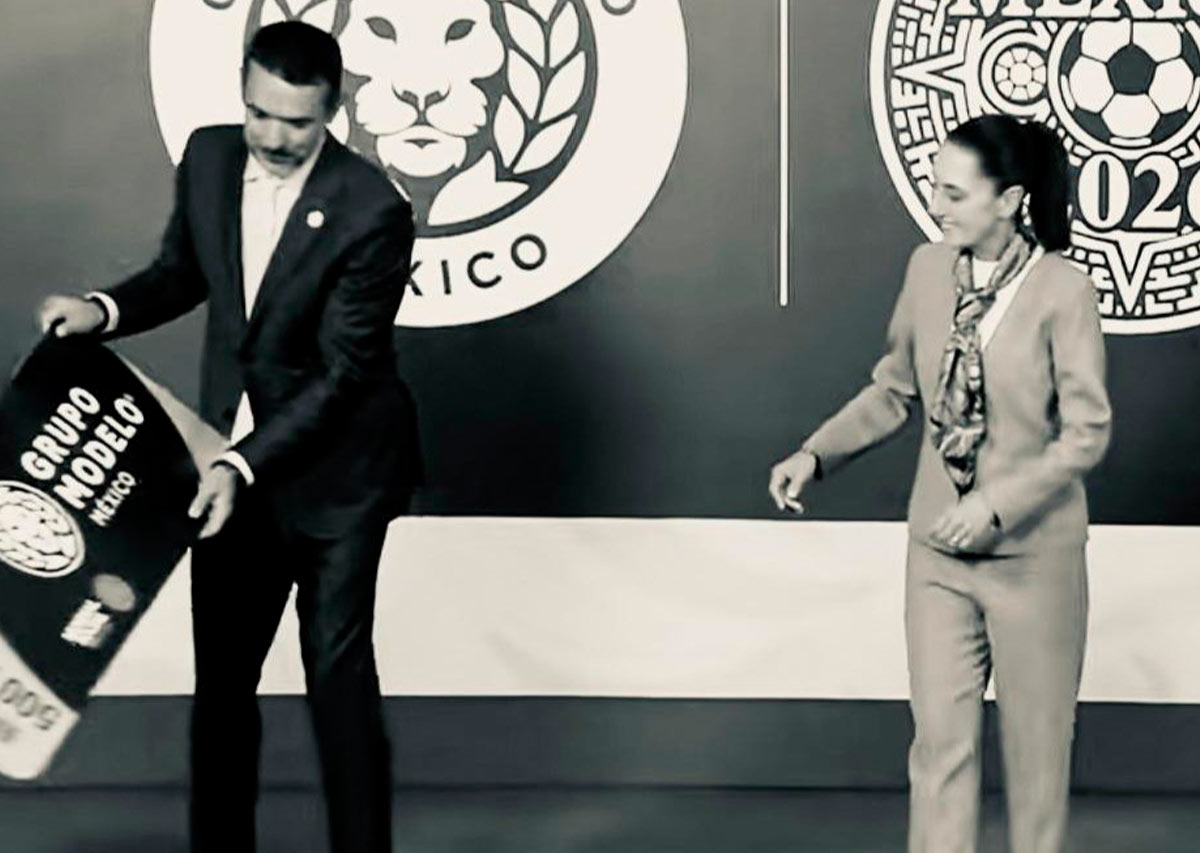
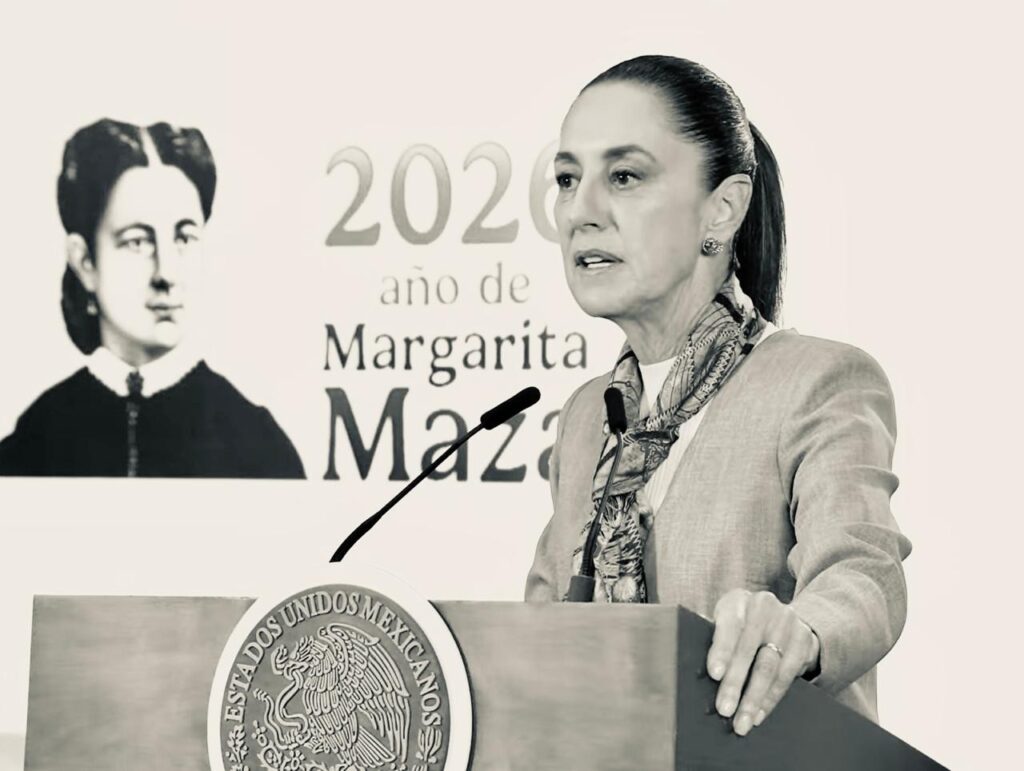
This occurred during the morning press conference (“Mañanera”) on April 10. In the middle of the announcement about the “Social World Cup” ahead of the 2026 FIFA World Cup, President Claudia Sheinbaum said verbatim:
“I want to thank Grupo Modelo… It is a Socially Responsible Company and, in addition, it has been very generous”.
The phrase is not minor.
Not so much because of the praise itself, but because of the context in which it appears… and what it reveals.
During Andrés Manuel López Obrador’s administration, the language of corporate social responsibility occupied a secondary place in the public narrative. Many companies opted for a low profile: less visibility, more restrained messaging, and a clear reduction in prominence on social issues that, at other times, they might have embraced more openly.
In that context, the fact that the president now revives that category and explicitly grants it is not insignificant.
It’s a signal.
But even more interesting is understanding why that company… and why at that moment.
The recognition does not arise from a recent campaign or an isolated action. It emerges from a narrative that the president herself constructs out loud: the donation of 100 million pesos during the pandemic to rehabilitate Hospital La Pastora (now a breast cancer treatment center), an electric mobility project when she was Head of Government, and now a visible participation in the “Social World Cup.”
That’s where the first clue appears… And if we analyze what was presented by Daniel Cocenzo, President of Grupo Modelo, the story is broader. The executive recalled last year’s announced investment of 3.6 billion dollars for the 2025–2027 period, the free Shakira concert in the Zócalo for the company’s centennial, and detailed the three concrete actions through which they are contributing to the Social World Cup: 500 tickets for matches in Mexico—to be given to tournament winners—mobile screens to bring the World Cup to all 32 states, and equipping 35,000 neighborhood businesses with free licenses, televisions, furniture, and refrigerators, aiming to generate economic spillover in communities.
What we see, then, is not just social responsibility. It is a strategy of presence.
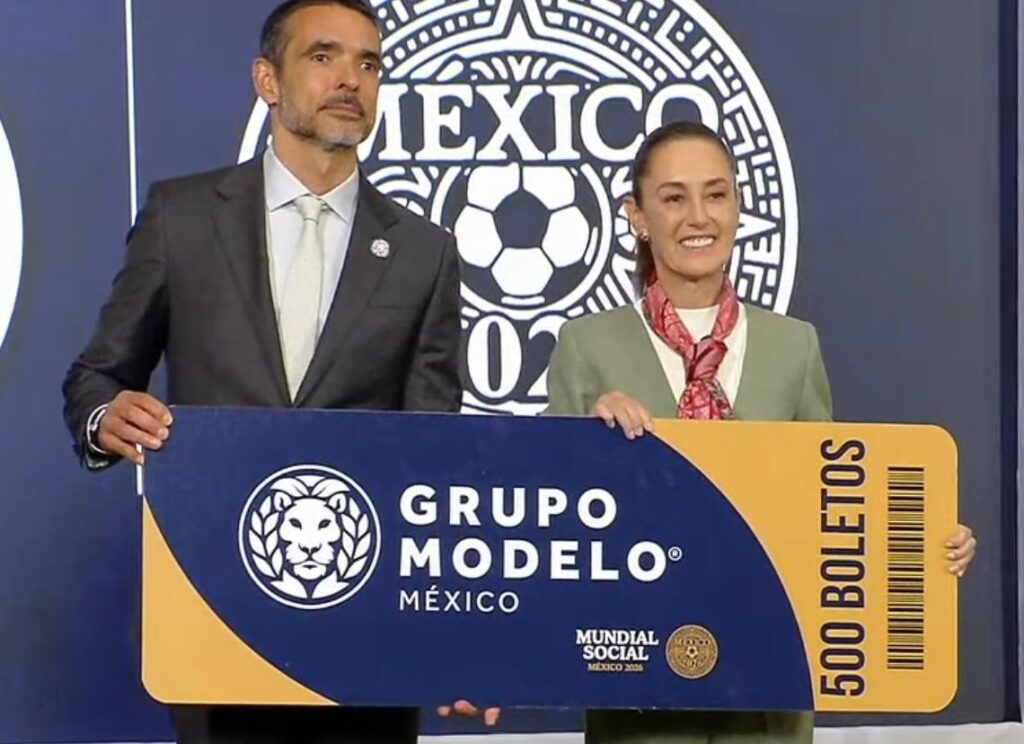
One that operates on multiple levels at the same time: it intervenes at moments of high visibility (pandemic, centennial, World Cup), inserts itself into public space, integrates business with social experience, and—perhaps most importantly—gets part of that narrative recognized and validated by public authority.
During the “Fourth Transformation” (4T), many companies learned that visibility could be a risk. The result was a retreat: less narrative, less exposure, more discreet operations.
What the Grupo Modelo case demonstrates is that there are ways to reoccupy that space, but under new rules.
Not through empty aspirational discourse, but through alignment with current public agendas. Not through self-celebration, but through connection with what the government needs to highlight. Not through isolated social investment, but through integration with business and the political context.
For those of us working in CSR and ESG, what we observe here is not only a strategy of visibility or alignment with the public narrative, but a way of integrating social responsibility into business in a country like Mexico. In Grupo Modelo’s case, the social dimension does not appear as a separate layer of operations, but as a component that articulates reputation, territorial presence, institutional relationships, consumption, distribution, and community within a single logic of action.
The question, then, is no longer just what cause is supported or how much is invested, but how that commitment is effectively integrated into the business model and engages with the political, economic, and social reality of the environment in which the company operates.
Could this type of expression open the door for more companies to reenter that public space?
It’s possible. Although, as often happens, the door tends to open more easily for those who know how to read the context… and move at the pace set by those in charge.
What this episode reveals is that recognition is no longer built solely on what a company does or says about itself. It is built at the intersection of its concrete actions, what the government needs to highlight, and what society is willing to acknowledge at that moment.
In the case of Grupo Modelo—part of a large global corporation—the post-pandemic evolution is illustrative. After the health emergency, the company reduced the public profile of initiatives like the “Modelo Volunteers” program and concentrated much of its CSR positioning within Corporate Affairs.
What is now celebrated with presidential praise does not seem to arise exclusively from long-term structural programs that generate recognition by their own weight, but also from a notable ability to read the context, synchronize with the public narrative, and step precisely onto the passing train.
These are well-executed actions, yes. But also clearly aligned with the rhythm of the circumstances shaped by the public environment.
In the end, it is what suits the company in achieving its strategic objectives: reinforcing its social license to operate, generating visible economic spillover, and differentiating itself in a complex environment.
Nothing more… and nothing less.
And there is much to learn from this case.
Because, as the president herself pointed out when referring to the deeper meaning of the Social World Cup:
“That football should not only be the day we watch television—having a beer—but that we also take advantage of it for a healthy life throughout the country”.
The irony is almost perfect.
While the generosity of one of the main producers of that beer is celebrated, the official discourse invites us to move beyond the classic “football + beer” pairing toward something more elevated.
And perhaps that is the best synthesis of what we are seeing.
Companies that help construct the moment… while at the same time being part of what the public discourse itself seeks to nuance.
Corporate social responsibility in Mexico today is played out—more than ever—at that intersection: between business, power, and the narrative of the moment.
A space where it is not enough to do things well.
You also have to know when, how… and with whom to make them visible.
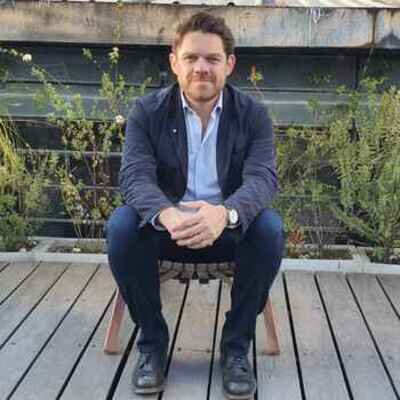
Edgar López Pimentel is currently a Director at Expok, where he exercises his leadership every day with a strong passion for social responsibility and sustainable development. His work has significantly contributed to positioning leading companies in the field of corporate social responsibility.
His academic background, enriched by executive education programs in Senior Management at IPADE Business School and IE Business School, as well as a master’s degree in Corporate Social Responsibility from Universidad Anáhuac México Norte, supports his leadership.