

By Luis Maram
For years, sustainability was presented as a bet. A long-term decision, an act of vision. Brands that invested in it had no clear guarantees: they invested in educating consumers, changing habits, and building something that didn’t yet fully exist. We’re talking about two decades ago.
Today, that scenario has changed.
Sustainability has stopped being an ideal and has become something much more concrete: a market… and better yet, a proven market. Today, within sustainable marketing there are entire categories that already work—electric vehicles, renewable energy, recyclable products—and consumers already understand their value. Regulation supports it and, above all, money is flowing.
And when that happens, something inevitable occurs in marketing: new players enter. What’s interesting is that this time they’re not entering to compete… but to ride the wave and optimize the products that are already out there. This is a brilliant strategy. They’ve allowed (very likely without initial intention) others to bear the costs of opening the barriers to entry, and now, by leveraging an existing market, they create products with the promise of making them even more sustainable for those who already consume them.
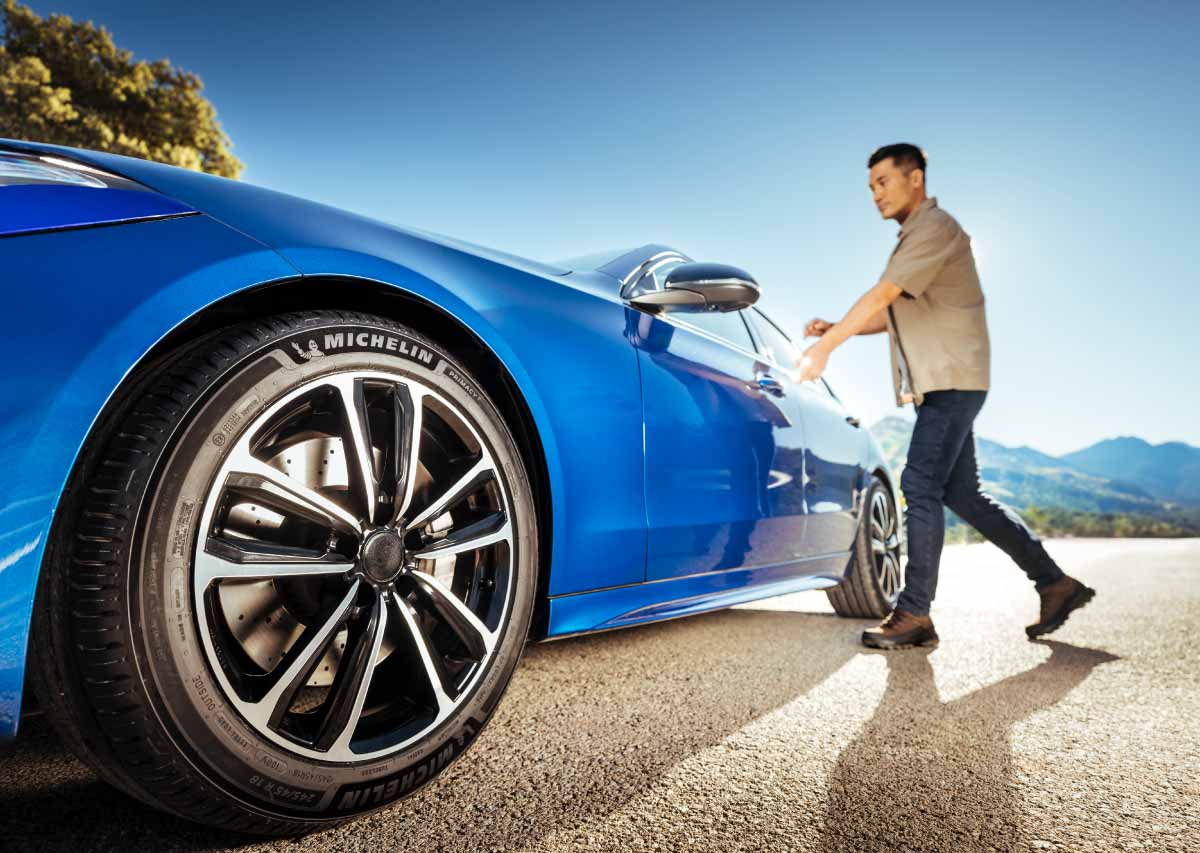
A very clear example of this is Michelin’s Primacy 5 Energy and Pilot Sport 5 Energy tires. The brand doesn’t manufacture electric cars, but it has developed tires that optimize the performance of these types of vehicles. The Primacy 5, for example, has an A rating in fuel efficiency, which translates into 10% more range for electric vehicles; in addition to 327 g/km less CO₂, equivalent to a month of commuting.
Michelin is not creating the sustainable solution (the car)… it’s making that solution work better.
The first stage of sustainable marketing was creation; the second is improvement.
Today we no longer see only brands that create sustainable solutions, but brands that ask a much more pragmatic question: if this already works and sells, how do we make it better? That’s where products like these tires begin to appear. And how do you market them? As it has always been done: the user doesn’t buy because it’s sustainable; they buy for benefits—price-quality—and because they are also sustainable. And in this case, if sustainability brings part of those benefits, all the better.
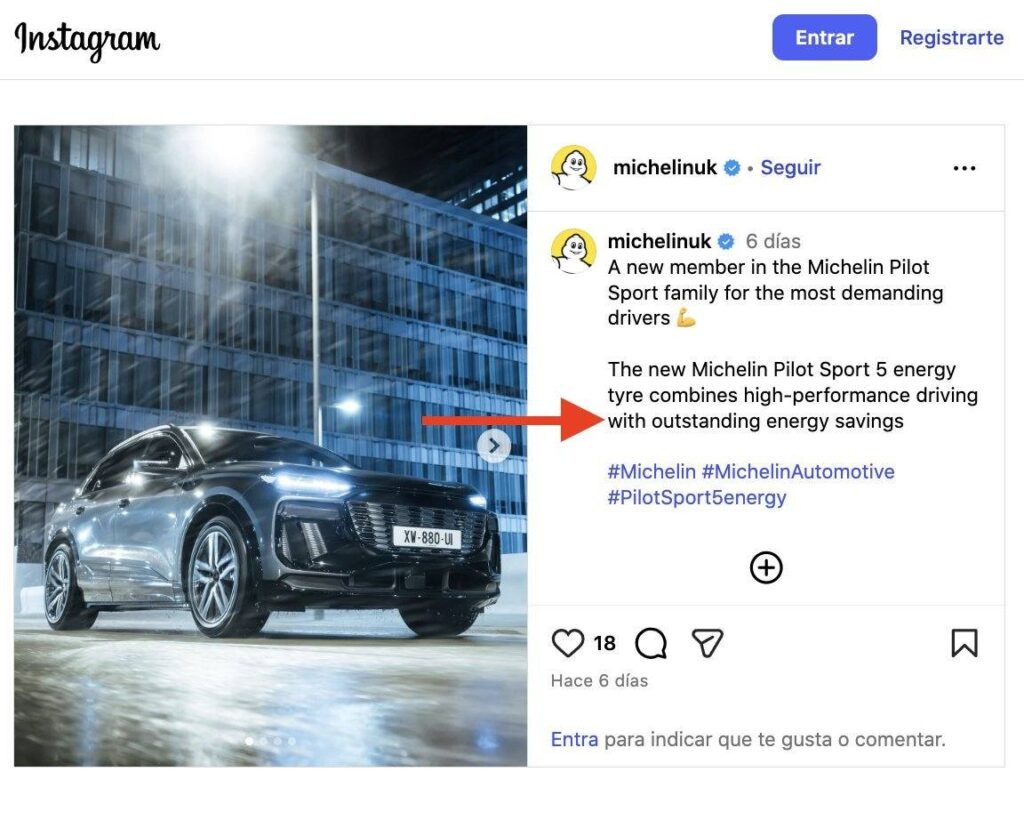
And Michelin’s tires are not the exception. If we dig deeper, we’ll discover there are already more products designed to improve other products in the sustainable market. In the same automotive sector, what about more efficient batteries? LTH Protect is a brilliant example, and its way of communicating is perfect.
None of these products is the protagonist of the story. However, they share something key: they improve the performance of something that already sells on its own. And that completely changes the logic of how value is communicated.
For years, the narrative was clear: buy this because it’s sustainable. Today it is beginning to transform into something different: buy this because it makes your sustainable solution work better. It may seem like a subtle change, but it actually implies moving from an emotional logic to a performance logic—and in more mature markets, that tends to be much more persuasive.
Risks?
Of course, there can’t be benefits without risk. Innovating always involves uncertainty, and the first wave had to face it entirely. Will the market understand what we offer and its benefits? Will consumers change? Is the investment worth it? Today, many brands no longer carry that weight. They enter categories where demand is proven and build value from there.
In other words, they don’t sell the initial sustainability… they sell its improvement.
Do you remember Kermit’s song whose phrase went viral? “It’s not easy being green.” Well, that was very true years ago, but today, it’s more profitable. Brands are not entering these spaces solely out of generosity or lofty purpose. They do it because:
consumers are already willing to pay
regulation is pushing in that direction
growth is evident
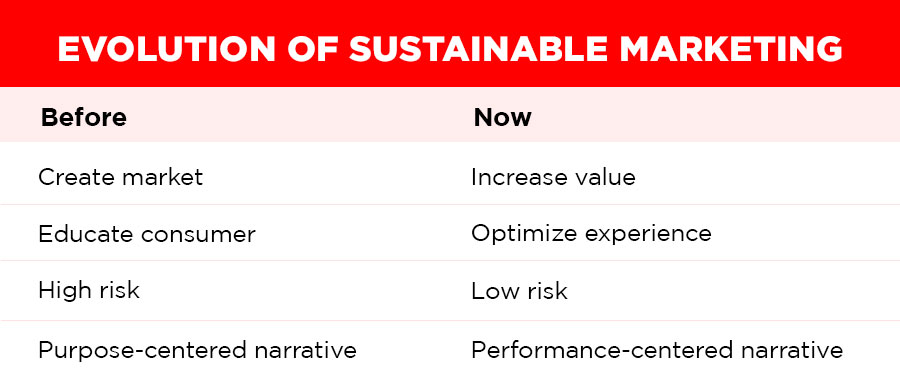
Sustainability has stopped being just a cause and has also become a clear signal of a profitable market.
And like any profitable market, it attracts competition.
We could see this as opportunism: brands that didn’t build the wave but know perfectly how to ride it. But let’s break the idealism—this is a natural evolution. When more players participate, incremental innovation increases, efficiency improves, and results accelerate. From that perspective, the impact can even be greater than in the initial stage.
All of this reveals something deeper. Sustainability no longer depends on isolated products, but on complete systems. An electric car, for example, doesn’t solve the problem on its own. It needs better batteries, better tires, and more efficient infrastructure to truly fulfill its promise. Each of those elements represents an opportunity—not only for business, but for real improvement… and yes, greenwashing will still need to be monitored.
The narrative from a few years ago had an almost romantic tone: sustainable brands are going to change the world. Today, the reality is more pragmatic, but also more mature. Brands are entering where change has already proven to work and profitability exists—and that’s not a negative thing.
It’s conscious capitalism… who are we to oppose it?

Luis Maram, Marketing and Sustainability
Marketer, Speaker, Expert in Marketing and Reputation
LinkedIn | I believe in the transformative power of brands
Luis Maram is a digital strategist with extensive expertise in developing content focused on brand visibility, reputation, and corporate responsibility. Over the years, he has guided brands in creating digital initiatives that inspire their audiences, connect, and generate results.
He is Director of Marketing and Media at Expok, where he manages the company’s digital strategy. He also edits one of the most recognized content strategy and digital marketing blogs in Mexico: LuisMaram.com, and has delivered more than a hundred conferences in Mexico and abroad.